
The long global rise
Historical estimates across roughly two centuries. Use the chart controls to explore years and countries.
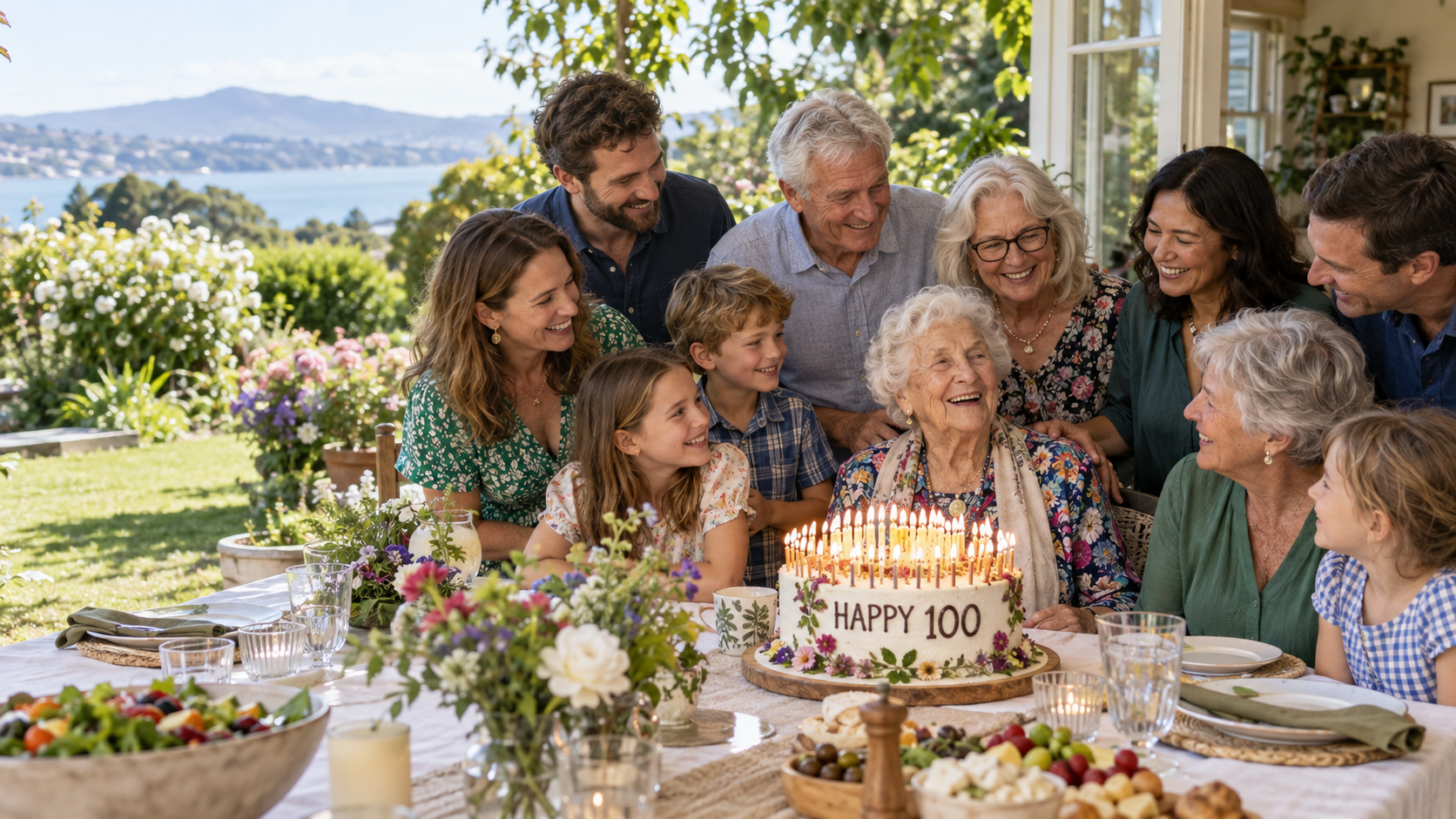
A CENTURY OF LIFE
100birthdays.com
Reaching 100 is rare, remarkable and increasingly possible. There is no guaranteed formula: health, genes, circumstances, relationships, good decisions and plain luck all travel together.
This is a clear-eyed celebration of centenarians, healthier ageing and a life that remains connected and worth living, without miracle cures or longevity hype.
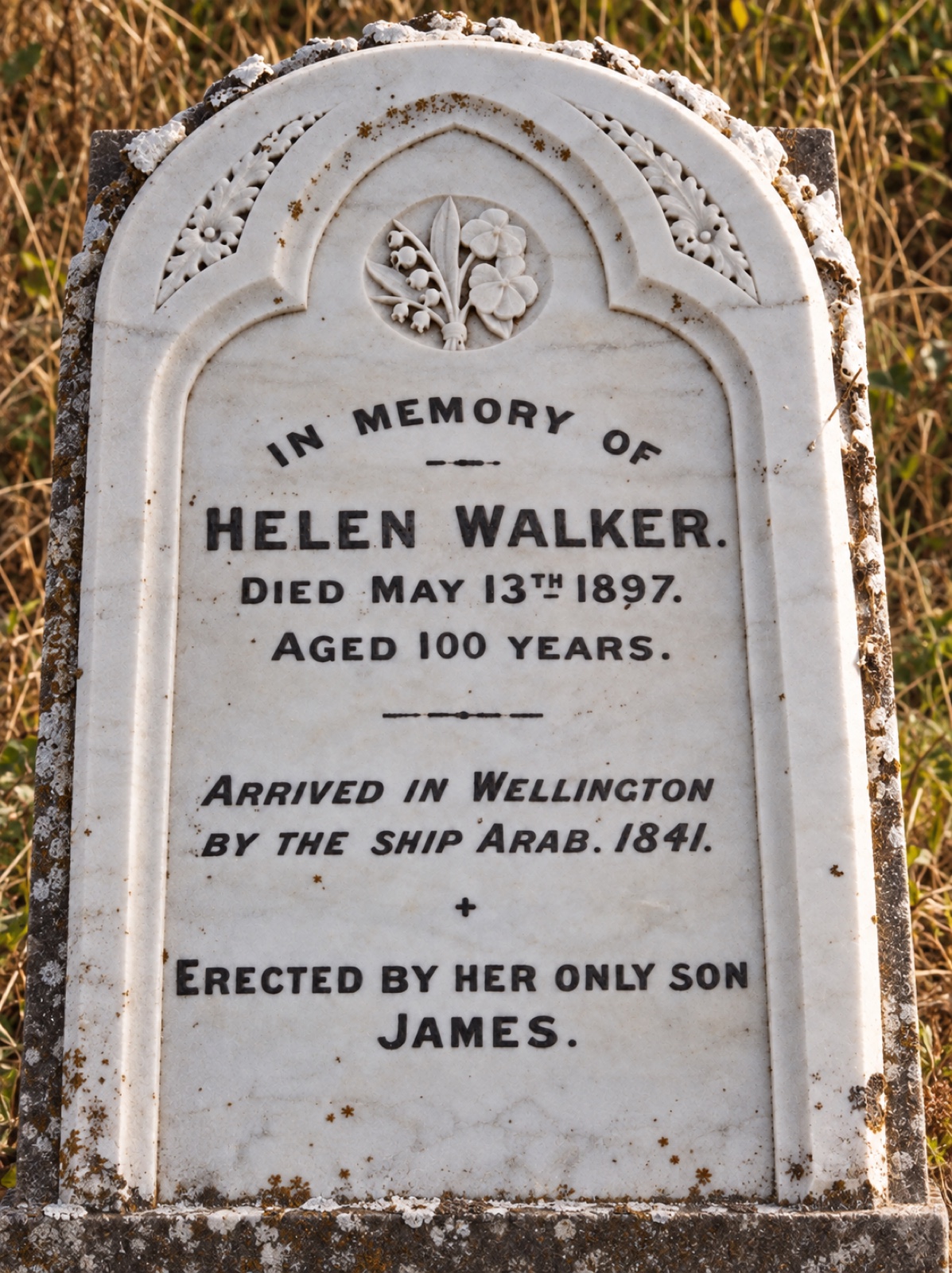
A FAMILY SIDE STORY
Helen Walker, my four-times-great-grandmother, was recorded as reaching 100 in nineteenth-century New Zealand. Her story is a reminder that centenarians are not a modern invention, and long life did not begin with supplements, wearables or influencers.
Born in the United Kingdom, she emigrated to New Zealand with her husband, James Walker, and arrived in Wellington aboard the ship Arab in 1841. Her memorial records that she died on 13 May 1897, aged 100, and was erected by her only son, also named James. This makes her a credible historical family example, although full modern age validation would require an early British birth or baptism record linked through later records.
Her extended family remains in New Zealand, including her descendant Dr John Walker, author of this site and founder of ANONAMED.com.
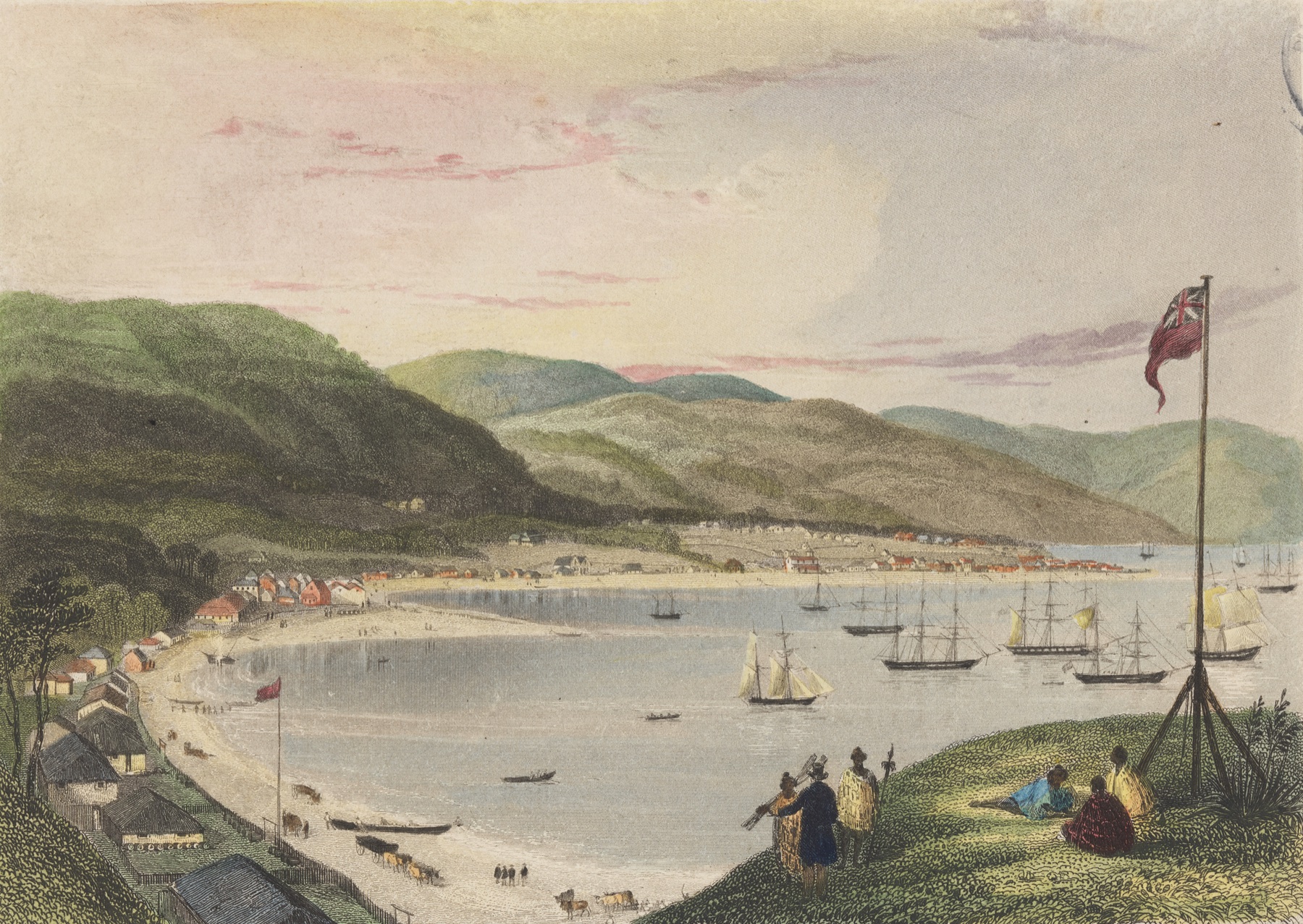
WELLINGTON, c. 1840
Helen and James arrived in a young maritime settlement built around sail, timber and the harbour. Contemporary records describe James as a shipwright. Shipbuilding histories place him at Henry Meech and James Walker's Pipitea Point yard from 1841 to 1845, and later with Walter Scott at Kaiwharawhara. Their story belongs not only to one family, but to the working history of early Wellington.
Kauri belongs to the wider New Zealand shipbuilding story, especially in Northland, Auckland and the Coromandel where it naturally grew. Its enormous trunks produced long, straight-grained timber that was light, strong and resistant to warping, making it valuable for masts, spars, hulls, boats and buildings. There is no evidence here that James felled kauri or that his Wellington yards used it; that connection should not be assumed. Intensive logging and burning farther north reduced once-vast kauri forests to protected remnants, surviving stands and regenerating forest.
A kauri can live for more than a thousand years: one tree may outlast ten human centenarians. That so many ancient trees were felled in little more than a century is one of the sad costs behind New Zealand's maritime and settlement history. The survivors now face kauri dieback, caused not by a virus but by the soil-borne water mould Phytophthora agathidicida. Cleaning footwear and staying on tracks help prevent contaminated soil being carried between forests.
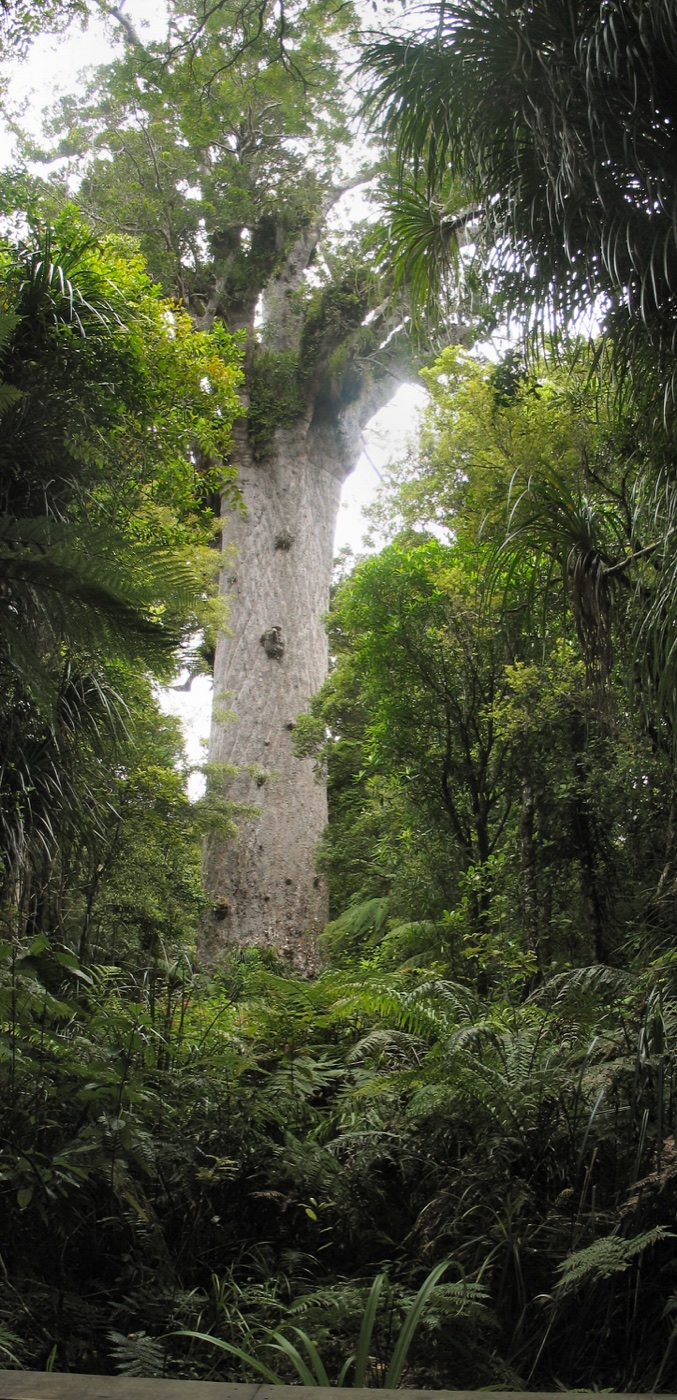
A LIVING CENTENARIAN, FIFTEEN TIMES OVER
Tāne Mahuta, the “Lord of the Forest”, is New Zealand's largest known living kauri. Standing in Waipoua Forest in Northland, it is estimated to be about 1,500 years old. The name recalls Tāne, son of Ranginui and Papatūānuku in Māori tradition, who separated earth and sky and clothed the world in forest.
51.5 mapproximately the height of the tree
13.77 mtrunk girth
244.5 m³estimated trunk volume
Western road builders recorded encountering the great tree in the 1920s, but it had already lived through many centuries of human history. Today it draws about 200,000 visitors a year and is protected through collaboration between Te Roroa and the Department of Conservation.
Clean shoes protect ancient roots. Visitors pass through a footwear wash station, remove every trace of soil, disinfect their shoes or wheels, and stay on the raised track. Kauri dieback can travel in minute amounts of contaminated soil, and there is no known cure.
IN THEIR OWN WORDS
Ask people who have reached 100 how they did it and the answers are usually disarmingly ordinary: hard work, a loving family, keeping busy, faith, humour, simple food, a daily drink, never drinking, or simply being lucky. The answers often contradict one another. That is part of their value.
These stories are not clinical trials and should not be sold as recipes. They reveal lives shaped by relationships, work, hardship, temperament, place and chance. Most centenarians did not spend decades optimising biomarkers. They lived their lives.
Keep going. Keep interested. Keep people close.
I never had a secret. I was fortunate.
Hard work, family and a bit of luck.
Representative themes commonly reported in centenarian interviews, not quotations attributed to Helen Walker or any single individual.
TWO HUNDRED YEARS OF CHANGING ODDS
Life expectancy at birth was below 50 in most populations during Helen's lifetime, largely because so many children died and infections, childbirth, accidents and untreated disease killed adults early. It did not mean that nobody grew old. Once a person survived childhood, their remaining prospects were better than the headline average suggests.
Historical estimates across roughly two centuries. Use the chart controls to explore years and countries.
Global life expectancy by sex from 1950. Women have remained ahead, though the size of the gap changes.
88.9 yearsprojected female global life expectancy in 2100
85.6 yearsprojected male global life expectancy in 2100
Historical estimates are less certain farther back. The sex-specific global series begins in 1950. Projections use the UN World Population Prospects 2024 medium scenario and end in 2100; extending a line to 2125 would imply confidence the evidence does not support. “Life expectancy” here is a period measure, not a prediction of any one person's lifespan.
COUNTRIES, HEALTHSPAN AND LIFE AFTER 80
Country averages reveal large differences in survival and health, but each measure answers a different question. These charts compare New Zealand with Australia, Japan, the United Kingdom, the United States, India and the world. Use the chart controls to add or remove countries.
Expected lifespan at birth under each year's mortality rates. Japan and Australia are among the longer-lived large populations; the gap between countries remains substantial.
Healthy life expectancy estimates years lived without disabling disease or injury. It is a population model, not a promise of perfect health.
This conditional measure asks how long an 80-year-old could expect to live under current mortality rates. Reaching 80 changes the question: deaths earlier in life no longer pull the average down.
What about “health quality at 80”? There is no single, comparable international score for it. Remaining life expectancy at 80 measures survival, while healthy life expectancy estimates health across the whole lifespan. For an individual aged 80, mobility, strength, cognition, hearing, vision, social connection and independence often say more than a national average.
The life-expectancy series uses historical estimates and UN World Population Prospects 2024. Healthy life expectancy uses IHME Global Burden of Disease estimates and includes model uncertainty. Comparisons can be affected by data quality, definitions and the disruption of the COVID-19 pandemic.
WHEN THE PAPER TRAIL IS THIN
The rarer the claimed age, the more carefully it must be checked. A gravestone, obituary or family story may preserve a sincere belief without proving the precise birth date.
Births might never have been registered, certificates could be issued years later, parish books could be lost, and spelling, names or stated ages could change after marriage or migration.
Memory errors, rounded ages, transcription mistakes, two people with similar names, and the accidental adoption of an older relative's identity can all create an apparently extraordinary lifespan.
Researchers look for an early-life birth or baptism record, then connect the same person through censuses, marriage, migration, children's records, identification and death records. The documents should agree across the whole life.
Helen's memorial records a death date of 13 May 1897 and an age of 100. It is meaningful historical evidence, strengthened by the family's known migration and relationships, but the memorial alone does not establish her exact birth date. Until a matching early British birth or baptism record and continuous later records are assembled, the careful wording is that she was recorded as having reached 100.
WHY WOMEN USUALLY LIVE LONGER
There is no single female advantage. The gap changes between countries and eras, which shows that biology cannot be the whole explanation.
Sex chromosomes, hormones, immune function and cardiovascular timing may contribute. Some advantages change after menopause, and no mechanism explains the whole gap.
Historically, men smoked more and drank more heavily in many countries, raising deaths from cancer, cardiovascular disease, liver disease and injury.
Men die more often from road trauma, hazardous work, homicide, suicide and other injuries, especially at younger ages. These losses strongly affect life expectancy at birth.
Men are often less likely to seek preventive care or early help. Women also carry health disadvantages, including pregnancy risks and more years lived with some disability, despite longer average survival.
THE LONG VIEW
Reaching 100 remains uncommon, although it is becoming less so. Better sanitation, vaccination, safer childbirth, cardiovascular treatment and living standards have moved many more people into advanced old age. The next rise in centenarians will come partly because larger generations are ageing, not because human ageing has been solved.
Life expectancy is an average, not a personal expiry date. Your current age, sex, country, health, family history and sheer chance all alter the odds. Women substantially outnumber men among centenarians, reflecting lower mortality across much of adult life.
EVIDENCE WITHOUT THE HYSTERIA
Modern longevity culture often turns uncertainty into a sales pitch: restrictive diets, large supplement stacks, expensive testing, unproven drugs and relentless self-measurement. Some ageing research is serious and promising. That does not make every influencer claim evidence, or every biological measurement a route to a longer life.
Longevity clusters in families, especially at exceptional ages, but genes are not destiny. Studies suggest genetics explains only part of lifespan; protective combinations and chance matter.
Regular activity, strength, balance and walking support cardiovascular health, muscle, bone, mood and independence. At very old ages, movement should be adapted, supported and safe.
A varied diet with vegetables, fruit, legumes, whole grains, protein and enough energy is more defensible than supplements or a branded “longevity diet”. At 100, preventing weight loss can be the priority.
Relationships, participation and a reason to get up matter for wellbeing and may support healthier ageing. Hearing and vision treatment help people stay connected.
Do not smoke. Treat blood pressure and diabetes sensibly. Use vaccines. Reduce falls. Review medicines. These ordinary measures have stronger human evidence than most anti-ageing products.
Some long-lived people drink; others never did. Observational stories do not prove benefit. Starting alcohol for longevity is not supported, and medication interactions become more important with age.
THE HONEST ANSWER
Probably a favourable mixture of genes, environment, behaviour, resilience, medical luck and avoiding fatal events, repeated over a very long time.
A plausible mechanism is not proof that a treatment helps people live longer or better. Before buying a test, supplement or programme, ask whether it has meaningful human evidence, known harms, independent replication and a benefit that matters outside a laboratory number.
Avoid the large, proven risksDo not smoke; use seatbelts and helmets; reduce falls; follow workplace and water safety; and avoid dangerous alcohol or drug use.
Find silent disease early enough to matterKnow blood pressure, diabetes and cholesterol risk. Use appropriate vaccination and evidence-based screening, tailored to age and health.
Protect strength and the brainMove regularly, maintain muscle and balance, treat hearing and vision loss, sleep adequately, stay socially connected and keep learning.
Keep care practicalReview medicines, nourish rather than punish the body, seek help for depression or cognitive change, and plan care around function, independence and what makes life worth living.
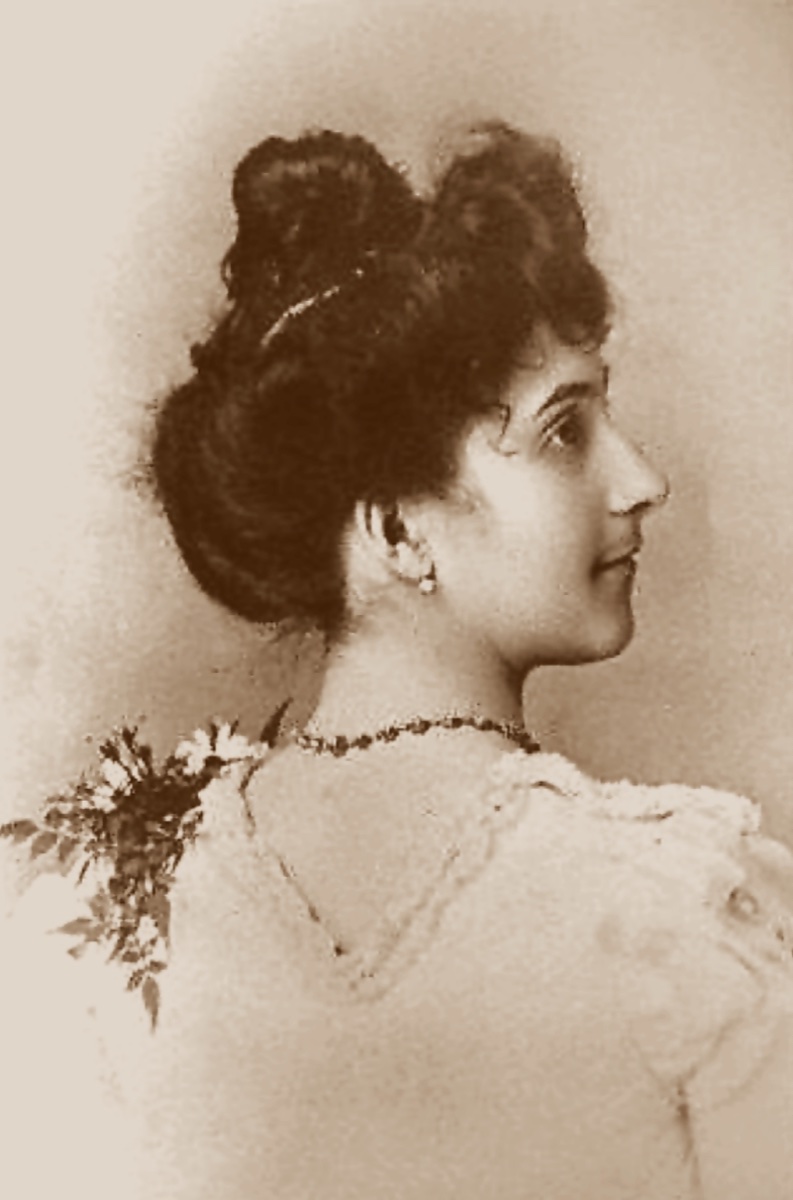
THE VERIFIED HUMAN RECORD
122 years, 164 days
Born in Arles, France, in 1875, Jeanne Louise Calment died there in 1997. Her documented age remains the greatest fully authenticated human lifespan. She lived through extraordinary changes in medicine, transport and daily life, yet her own habits refuse to become a tidy longevity programme.
Calment enjoyed olive oil, chocolate and small amounts of port wine. She remained active for much of her life, including cycling into old age. She also smoked after meals and reportedly continued until about 117. That detail is memorable precisely because it is exceptional: it does not make smoking safe, and it cannot outweigh the enormous evidence that tobacco causes premature death.
Her wealth, relative freedom from heavy labour, family history, temperament, environment and luck may all have mattered. No one can divide her 122 years into percentages or reproduce them as a protocol.
Survivorship bias makes the rare smoker who reaches 122 famous. It leaves the millions who died early from tobacco unable to tell their story.
MEDICINE AT 100
At 100, testing everything can create burden without benefit. The useful question is: will finding this problem improve comfort, function, independence or a goal the person values?
Ask about walking, falls, balance, transfers, pain, continence, eating, daily tasks and what help is actually available. Check feet, footwear and mobility aids.
Correctable loss can look like confusion or withdrawal. Review hearing aids, glasses, cataracts, oral pain, dentures and swallowing.
Reconcile every prescription, over-the-counter product and supplement. Look for dizziness, sedation, bleeding, low blood pressure and drugs whose long-term preventive benefit may no longer justify their burden.
Track unintended weight loss, appetite, hydration, protein intake, strength and exhaustion. Restrictive diets often deserve reconsideration.
Assess cognition only in context: hearing, delirium, depression, sleep and medication effects can confuse the picture. Revisit care preferences, emergency plans, substitute decision-makers and advance care directives.
Blood pressure and targeted blood tests may be useful when symptoms, treatment or a reversible problem justify them. Screening with a long time-to-benefit may not be. Decisions should be individual, not automatic.
This is general information, not personal medical advice. Sudden confusion, weakness, chest pain, severe breathlessness, a fall with injury, bleeding or acute deterioration requires prompt medical assessment.
THE NEXT HUNDRED
CareHow do we extend independence, not just survival?
EqualityWho gets the chance to age well?
CommunityHow do we prevent isolation across longer lives?
ScienceCan treatments lengthen human healthspan without hype?
USEFUL SITES FOR LATER LIFE
These independent ANONAMED-related sites offer starting points for age-specific check-ups, common conditions, cancer treatment and navigating care. Choose what fits your age, symptoms, risks and priorities; nobody needs every test or every treatment.
Practical prompts for prevention, function, medicines and planning as priorities change.
Understand common causes, warning signs and difficult risk-benefit decisions.
Broader guides to conditions, treatment choices, emergency hospitals and newer cancer therapies.
Educational information cannot diagnose illness or replace a clinician who knows your circumstances. For chest pain, stroke symptoms, severe breathing difficulty, major injury, collapse or another emergency, call local emergency services rather than relying on a website.

READ FURTHER